© 2035 by The Clinic. Powered and secured by Wix
SERVICES: AVIATION ECOLOGY

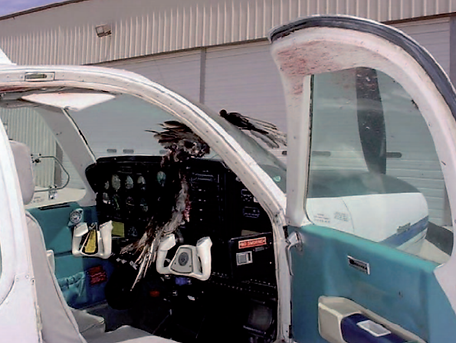
As a pilot myself, I understand how important it is to maintain safety in the wider vicinity of aerodromes, not just on site. At Eco Terra, we offer two key services that will reduce, mitigate and manage the risk of wildlife hazards around your aerodrome.
Liam James
Director & Ecologist

1
WILDLIFE HAZARD MANAGEMENT PLANS FOR AERODROMES (WHMPs)
Intended to reduce and manage the risk of bird strikes at aerodromes, Eco Terra can design and produce WHMPs by:
-
Identifying Hazards
-
Evaluating Management Options
-
Recommending Habitat Adjustments to Reduce Desirability
-
Developing Deterrent Strategies to Manage Risk
-
Producing Ongoing Control Options
At the end of this project you will have a professionally written WHMP that adheres to guidance issued by CAP 772 - Wildlife Hazard Management at Aerodromes - and provides practical advice to reduce your risk.
2
13km BIRD CIRCLE SURVEYS / OFF-AERODROME WILDLIFE SURVEYS
13 kilometers is the recommended radius to safeguard for wildlife hazard purposes (CAA, CAP 772). Within that radius, we will survey and categorize wildlife risks including, but not limited to:
-
Wildlife attractants
-
Concentrations, seasonality and regular movement patterns of hazardous birds
-
Location: proximity to and from the aerodrome
-
Site attractiveness: whether it is used as a source of food, a roost site or a breeding site
-
Species and numbers of birds / wildlife present
-
Flight lines of birds to / from a site, how these relate to the aerodrome's location and whether they cross aircraft flight paths outside the aerodrome boundary
-
The relationship of a site to other sites that attract the same species e.g. the location of a landfill facility that attracts foraging gulls will need to be assessed in relation to local reservoirs or nesting sites that attract roosting or breeding gulls respectively;
-
Daily/seasonal factors and variations
-
Any control action undertaken by the site operator
-
Draft a schedule of periodic and seasonal visits to sites so that an accurate assessment of the different risks associated with a site at different times of day or year can be evaluated.
All of this will be detailed in a professionally written, ready to publish report that can be reviewed and, if necessary updated, seasonally.